Why School And Organizational Culture Change Takes Time
School culture change takes time. Discover why sustainable transformation in schools is built through relationships, trust, and long-term commitment.
Have you ever held a vision so clearly, something you deeply want to share, and then watched it come to life? Here’s my story…
In Fall 2025, the Writing for Wellness program entered an exciting new phase.
For the past three years at kid-grit, we’ve been training after-school staff, teachers, counselors, and even a few motivated high school students, on a creative writing approach to mental health. Using imaginative prompts and creative expression, the program invites participants to explore their inner world through writing. The results have been powerful: meaningful engagement, emotional insight, and authentic connection at a time when many initiatives struggle to land in larger systems.
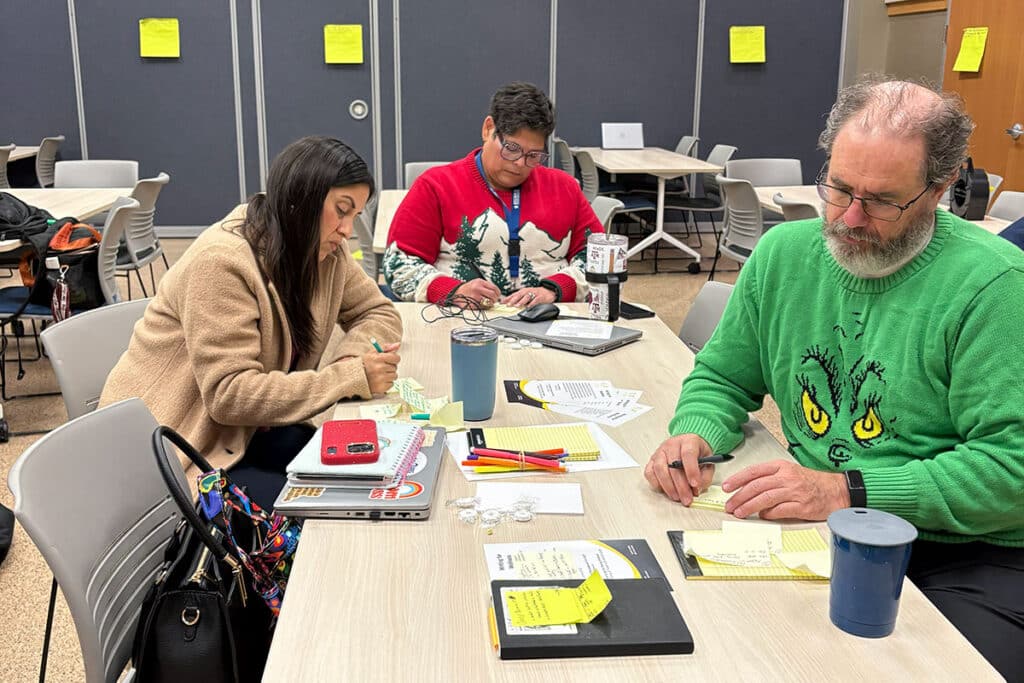
In Fall 2025, we were invited to bring this work to ESC Region 13 in Austin, Texas, facilitating a Training of Trainers (ToT) model with a cohort of 12 inspiring educators and school counselors. Over four months, participants engaged in a hands-on, inquiry-based certification program designed to support youth mental well-being through connection and creative practice. They loved it, and more importantly, they’re now equipped to carry this work forward in their own communities.
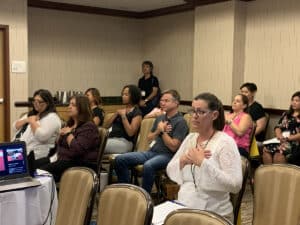
First kid-grit Training of Trainers program, ESC Region 13, Austin, TX, December 2025
To fully understand what this moment meant to me, we have to go back. Ten years ago, I stepped away from a corporate entertainment career. Through a series of unexpected turns, I was invited to develop a creative writing group at a private mental health treatment center in Beverly Hills. That experience changed everything. I became a Mental Health Coach and began facilitating my own curriculum, Creative Writing for Mental Health, Addiction, and Trauma, across treatment centers throughout Southern California.
Then 2021 arrived. COVID was here, and I was running groups in mental health facilities across Los Angeles, spaces considered essential at the time. I remember sitting in those rooms, masked, watching students return to school carrying more than just backpacks. They were carrying stress, uncertainty, and emotional weight.
In that moment, something became impossible to ignore: young people need accessible, consistent mental health support. The pandemic didn’t create this need, it exposed it.
I also remember sitting in a group surrounded by adults from all walks of life, all navigating similar emotional challenges, and thinking: What if they had learned these tools earlier? That question became a turning point.
The vision expanded, to bring creative writing for mental wellness into schools, after-school programs, and youth spaces. When I created Writing for Wellness with kid-grit, I believed we were building something meaningful. The response confirmed it: tears, laughter, reflection, and connection, from both staff and students.
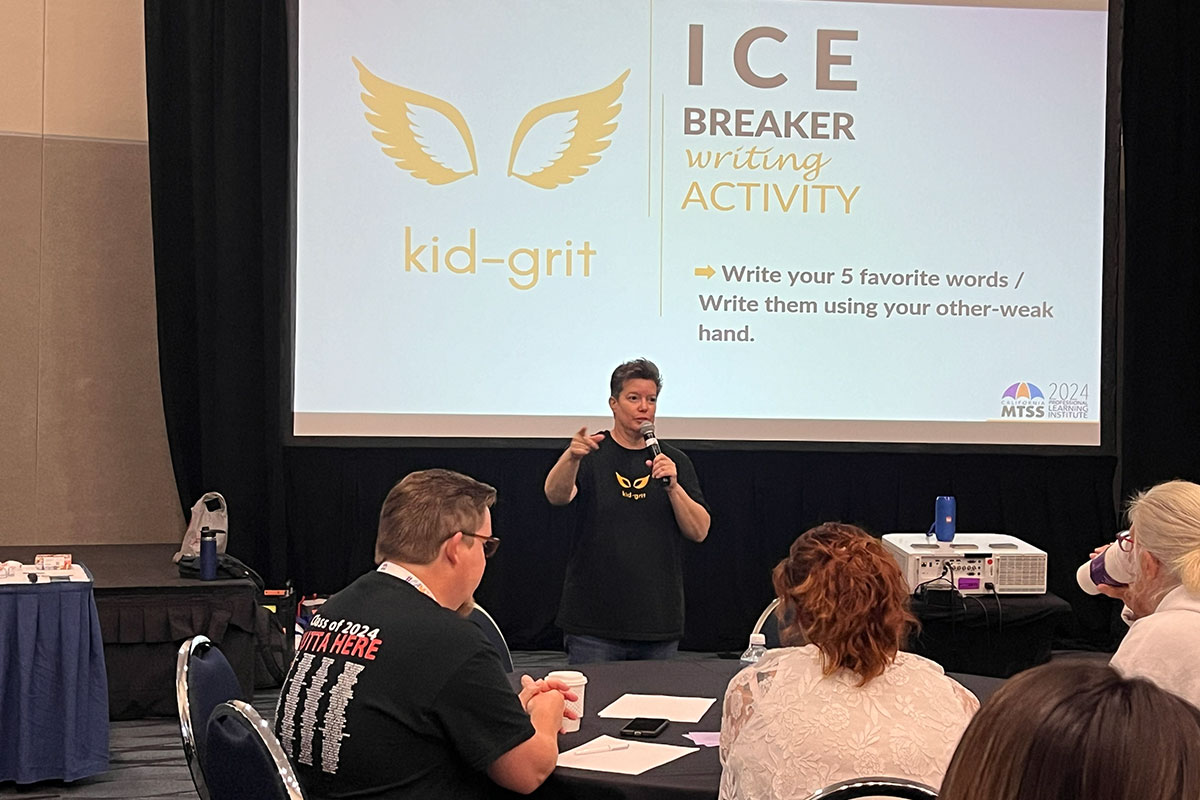
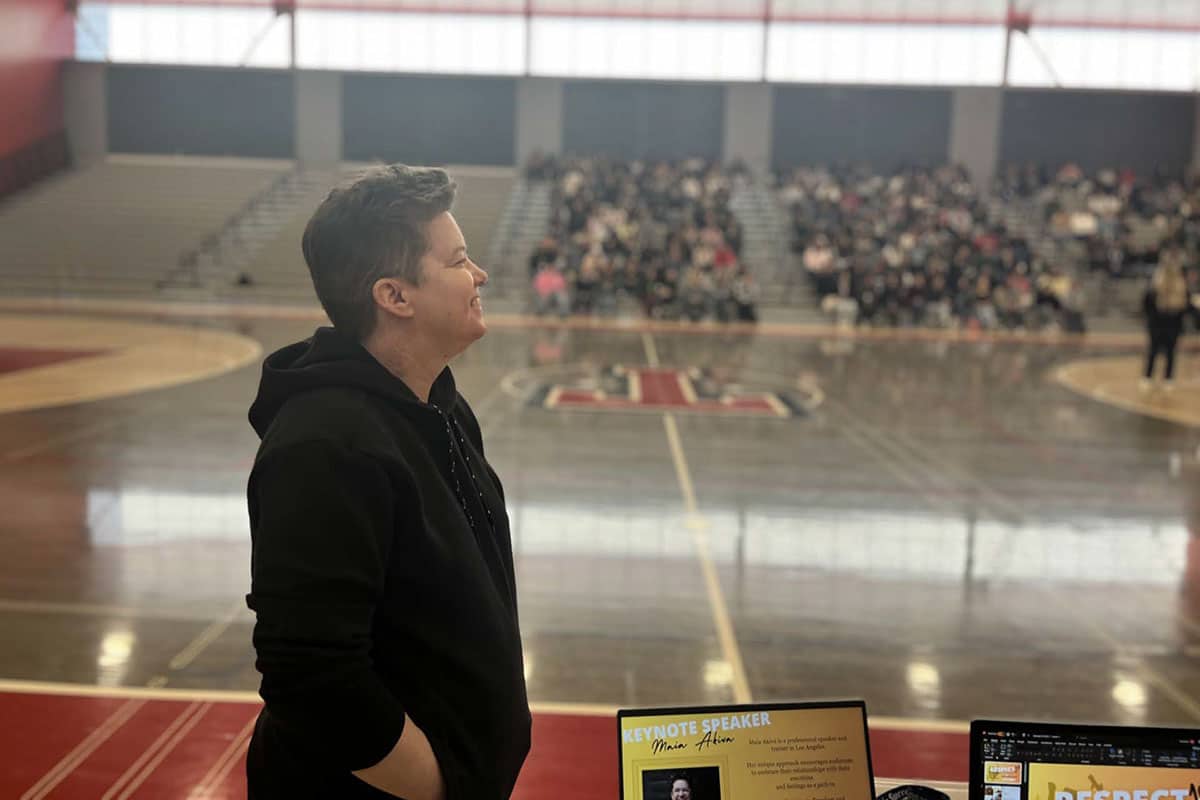
Maia presenting at the California MTSS Conference, 2024
And then the work grew. We were presenting at conferences across the country, hosting virtual Live Expos to share a little bit of the program with educators. In the summer of 2025, our partner, ESC Region 13, invited us to create a new level of partnership – a full Training of Trainers model for Writing for Wellness. So we did, 40 hours of training, observation tools, a practicum, and a diverse cohort of educators, school counselors, special education specialists after-school leaders, and family engagement specialists.
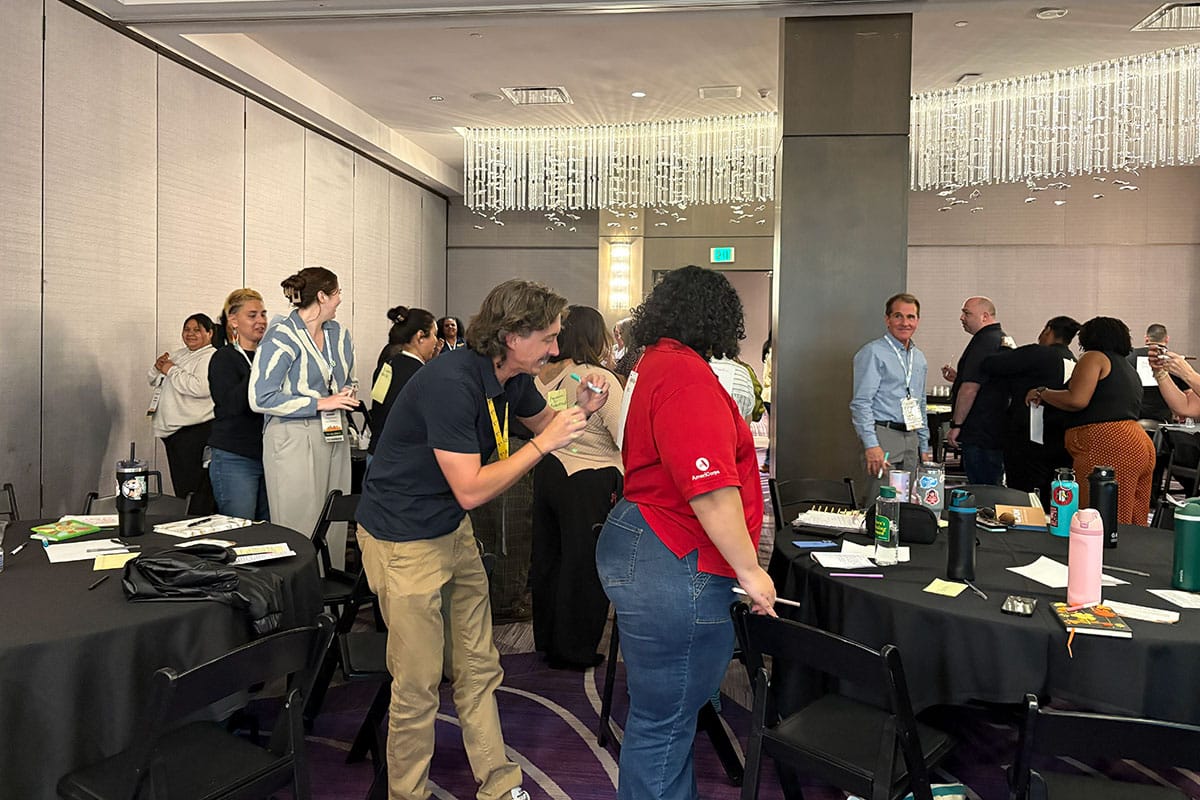
Connective Writing for Wellness activity at the California Site Coordinator Symposium, 2026
The ToT training in Austin marked a new level of that vision. It was both exciting and challenging. We took years of experience, a deeply personal methodology, and a vision rooted in creativity, and translated it into something others could carry forward with confidence and authenticity.
There was something incredibly powerful about that moment. My vision has always been to bring mental health tools to students, staff, and communities through creativity, and this felt like the beginning of making that vision scalable and sustainable.
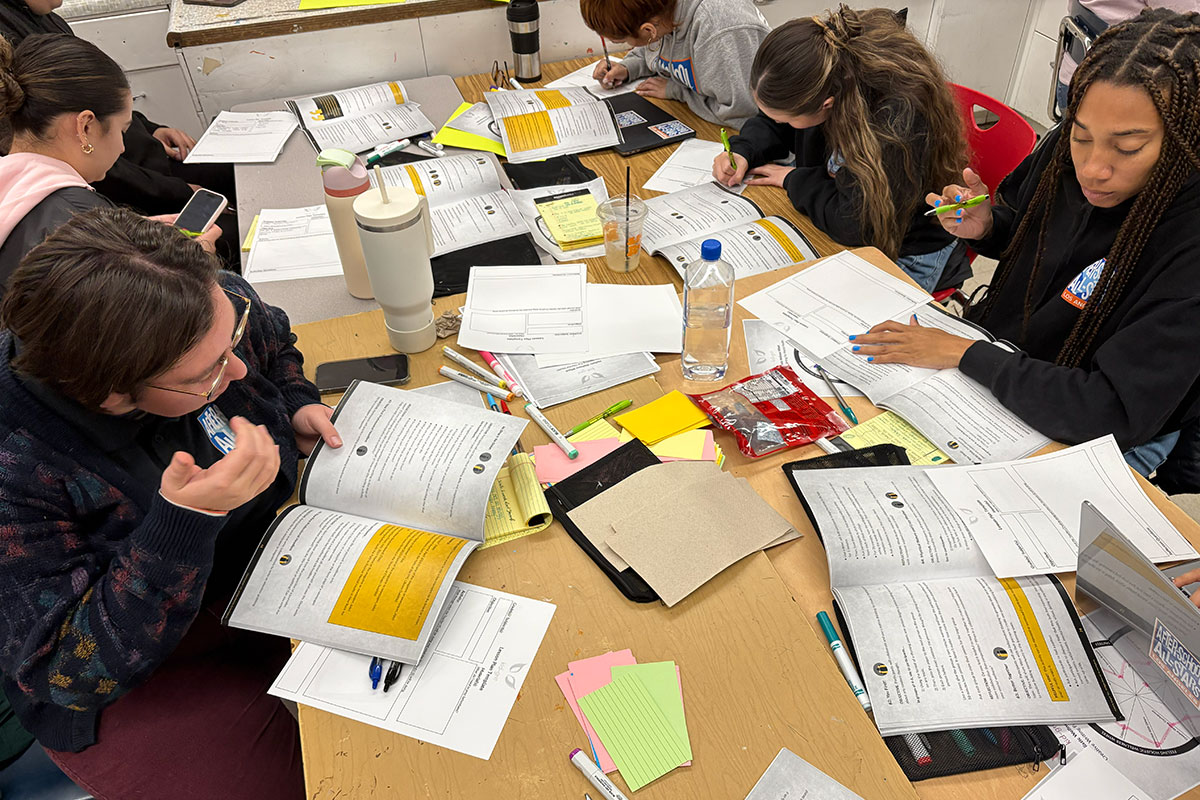
High school students journaling and socially bonding over a Writing for Wellness activity, ASAS LA, Los Angeles, CA, 2026
While clinical care is essential, everyday mental wellness skills are just as critical.
Skills like:
These are life skills, not clinical interventions. And educators are central to this work. When staff are supported in their own mental wellness, they show up more present, more connected, and more effective. It creates a ripple effect. This is the kid-grit framework: It starts with us.
The magic happens when these skills are practiced through creativity, through imagination, storytelling, and writing.
We saw it firsthand in Texas. A room full of educators began “interviewing their feelings,” engaging with their inner world through guided prompts. The space filled with insight, laughter, and yes, a few tears. It was real, human, and deeply impactful. And in that moment, something became undeniably clear:
And most importantly, it can help us understand ourselves in ways that truly matter. Maybe that starts with something simple – here are some tips!
That’s where the real impact begins.
And most importantly, it can help us understand ourselves in ways that truly matter. Dreams do come true.
Maia Akiva, kid-grit Mental Health & Creativity Specialist

School culture change takes time. Discover why sustainable transformation in schools is built through relationships, trust, and long-term commitment.

Let’s be honest — our classrooms, our schools, our world — they’re moving faster than the human heart can process.

Change is life’s greatest teacher. Discover how resilience, reflection and adaptability can guide us through every season of growth.