Gratitude Builds Resilience. Growth Mindset Builds Grit.

Let’s be honest — our classrooms, our schools, our world — they’re moving faster than the human heart can process. We ask students to “self-regulate,” while adults barely have time to breathe. But here’s what we’ve learned, standing in real rooms with real people: Connection changes everything.

At kid-grit, we don’t treat emotional intelligence like a bonus skill. It’s not a module. It’s the air we breathe. When students — and the adults who guide them — slow down, reflect, and connect, they build the inner architecture that allows them to thrive in both challenge and change.

Gratitude: The Gateway to Resilience

Gratitude isn’t fluffy. It’s powerful psychology. Harvard research says that giving thanks consistently leads to greater happiness, stronger relationships, and better health. But we already see that every day — in our workshops, in classrooms, in the pause between two deep breaths.

When we practice gratitude — truly practice it — our nervous systems calm down. We stop reacting out of habit and start responding with clarity. That’s resilience in real time.

Resilience, as we discuss in our sessions, is born by recognizing your strengths. And, gratitude is one way to see those strengths clearly again, or just start building them. It’s not about pretending life is easy; it’s about naming what’s good even when it’s hard.

And when educators model that mindset — when they show up grounded, grateful, and emotionally well — students feel it. Research shows that when teachers are happy, students mirror that emotion and absorb learning with more ease (1). When we preserve our mental and physical health, teaching stops being survival — it becomes an act of joy.

Gratitude Builds Resilience. Growth Mindset Builds Grit.
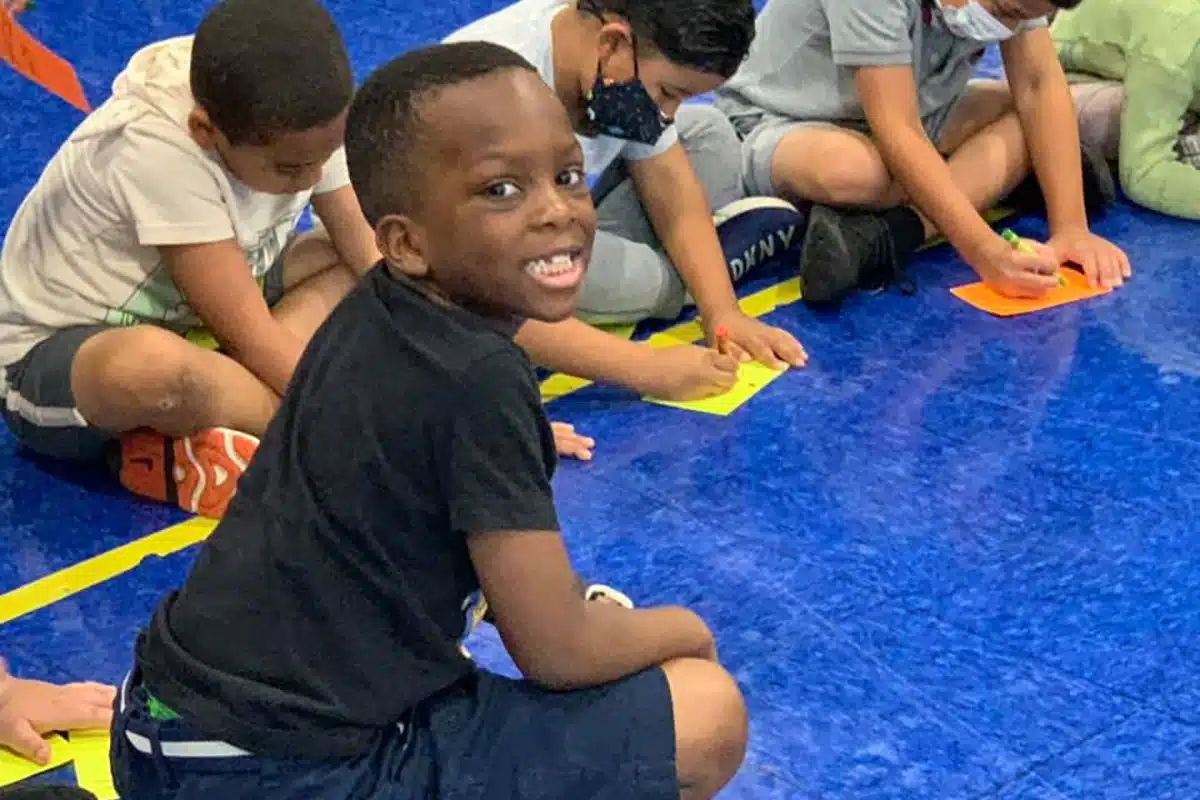
Photo by Jeffrey Jordan, Alaska 2019

Growth Mindset: The Foundation of Grit

A growth mindset isn’t a buzzword. It’s a rebellion against “good enough.” It’s the voice inside that says: I can do hard things. I can learn this. I can try again.

In our Growth & Fixed Mindset workshops, we remind educators and students alike: “You are in charge of your own destiny. One’s true potential is untapped unless it’s developed through a lifelong process of trial and error.”

Failure isn’t final — it’s feedback. When we model that truth as educators, we give students permission to fail forward, to be curious, and to stay in the game when things get tough. That’s grit.

And grit, as we see it, isn’t about grinding harder — it’s about believing deeper. It’s the art of choosing courage over comfort, again and again.

Gratitude Builds Resilience. Growth Mindset Builds Grit.

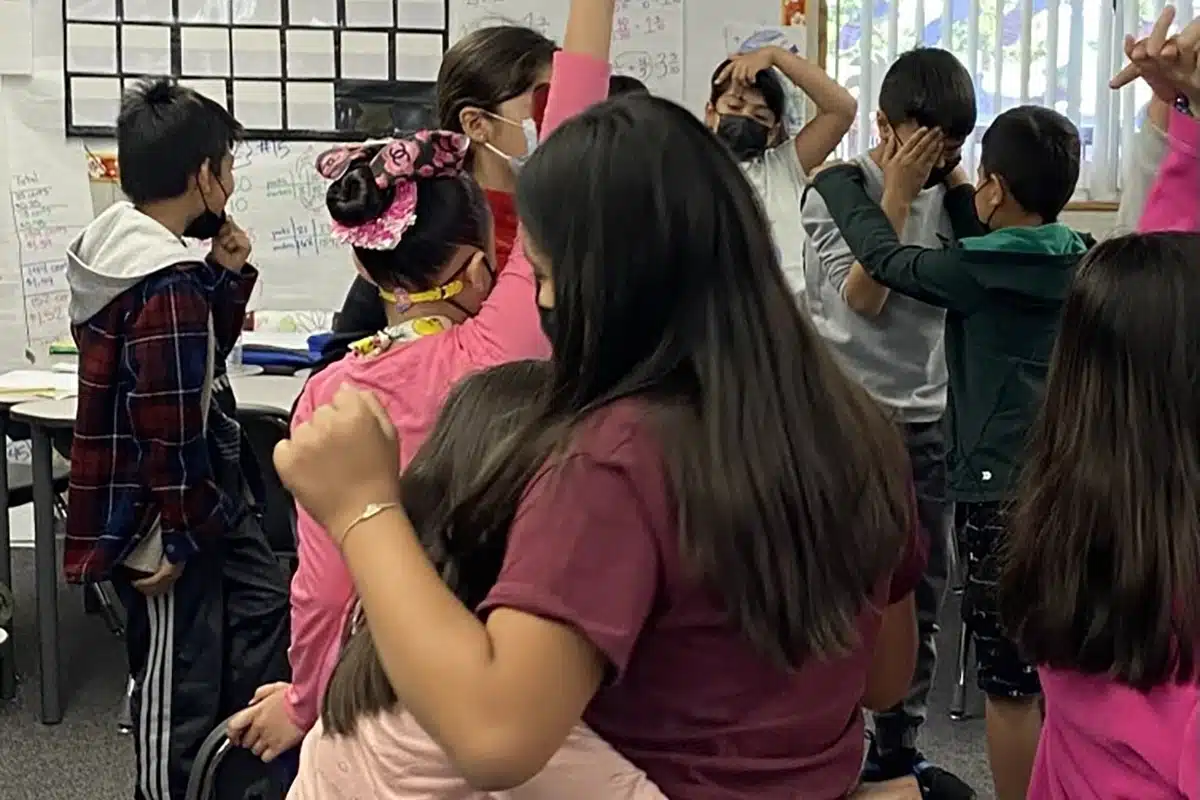
Photo by Jeffrey Jordan, Roselle Schools 2021

The kid-grit Way: Connection Before Curriculum

Across everything we do — in leadership, classroom, and program practices — one truth stands out: Healing, learning, and leadership all begin in connection. Using relationships as THE strategy to inspire learning is a real thing (2).

We can’t rebuild culture through PDFs and portals. You can’t model love over Zoom. You can’t build resilience in a breakout room.

Transformation happens in the room — through laughter, reflection, messy emotion, and real human eye contact. That’s where the shift begins. That’s where trust returns.

Gratitude builds the heart. A growth mindset builds the drive. Together, they shape a fearless culture — one that doesn’t just survive the chaos, but leads through it.

Gratitude Builds Resilience. Growth Mindset Builds Grit.
Photo by Jeffrey Jordan, Roselle Schools 2023

Reflection Challenge

It may seem too simple, but as a practice, it works!

Pause for one full minute. Take a breath.

What am I grateful for right now?

What challenge can I reframe as growth?

These questions are small, but they’re radical acts of leadership. Because when we — the adults — model gratitude and growth, our students don’t just learn from us. They become mirrors of resilience and grit themselves.

(1) McLean & Connor, 2015: Associations Between Elementary Teachers’ Mental Health and Students’ Engagement Across Content Areas

(2) Jurong Liu, Juan Gao, Muhammad Hassan Arshad, Volume 254, April 2025, 104788: Teacher-student relationships as a pathway to sustainable learning: Psychological insights on motivation and self-efficacy

SHARE THIS POST!

RECENT POSTS